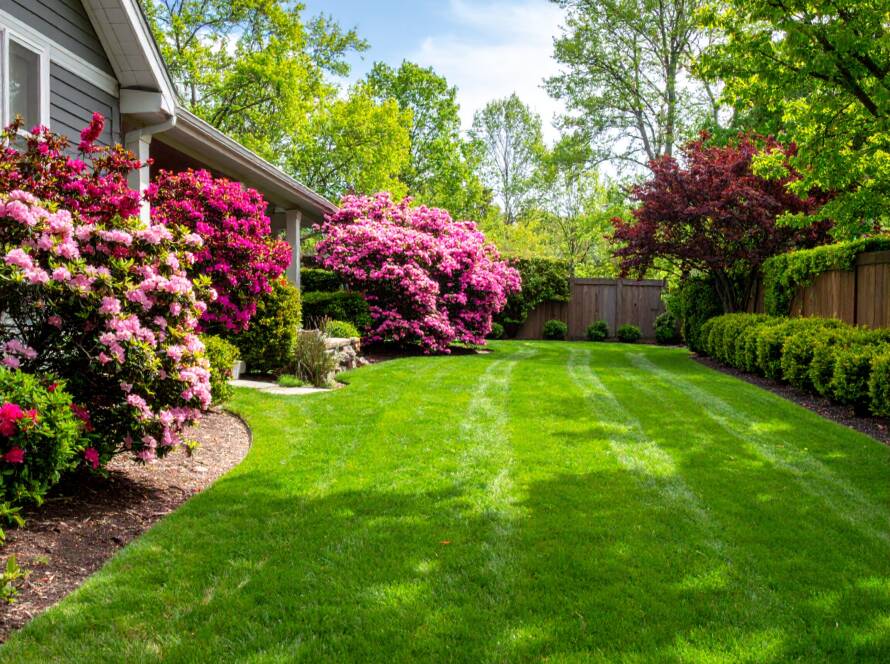
Choosing a landscape designer often comes down to a few photos and a friendly first meeting. That’s not much to go on for a decision that will shape your property for years. Two things tell you more than any sales pitch: the range of work in a designer’s actual portfolio, and the credentials standing behind it.
Why Credentials Matter When Vetting a Landscape Designer
“Landscape designer” isn’t a licensed title in most states, unlike “landscape architect,” which requires state licensure everywhere in the country. That gap is exactly why landscape designer credentials deserve a closer look before you sign anything. A confident title on a business card tells you very little on its own. What tells you more is the training behind it: horticultural education, trade-specific licenses, and insurance that actually covers the work being done on your property.
What a Strong Portfolio Should Show You
A portfolio is more than a highlight reel. Read it the way you’d read a resume.
Range Across Project Types and Property Sizes
Look for variety, not just the most photogenic yard. Drainage-heavy lots, small courtyards, and multi-phase projects completed over more than one season say more about capability than a single showcase image ever will. Browsing a landscape design portfolio built from completed local work, rather than renderings, is a reasonable first filter.

Evidence of Site-Specific Thinking, Not Repeated Templates
Every property in the Upstate deals with the same underlying challenge: heavy clay soil that drains poorly and compacts hard. A portfolio worth trusting will show grading and drainage solutions, plant choices suited to Piedmont conditions, and layouts that clearly respond to each site rather than repeating one template. The Clemson Cooperative Extension’s Home & Garden Information Center is a useful reference point for what regionally appropriate plant selection actually looks like, if you want to check a designer’s choices against it.
Questions Worth Asking About Training and Licensing
Ask directly about formal training: a horticulture degree, trade-specific licensing such as masonry, and general liability insurance are all fair questions before any contract is signed. It’s also worth asking whether “architect” is being used loosely or accurately. Because that title is regulated in all fifty states, a company that uses it without an actual license is worth a second look. None of this makes local landscapers with strong horticultural backgrounds less qualified. It just means the credential should match the claim.
What This Looks Like in Practice in Greenville, SC
Our own team reflects one version of this. Steven Bunn founded the company as a Clemson University graduate with a background in Turf Management, and he holds a specialty masonry license alongside that horticultural training. That combination isn’t a substitute for a landscape architecture license, and we don’t present it as one. It’s simply the kind of credential pairing worth looking for: real training, a real trade license, and a portfolio that backs both up. You can read more about that background on our team page, or see how it plays out project to project in our design process.
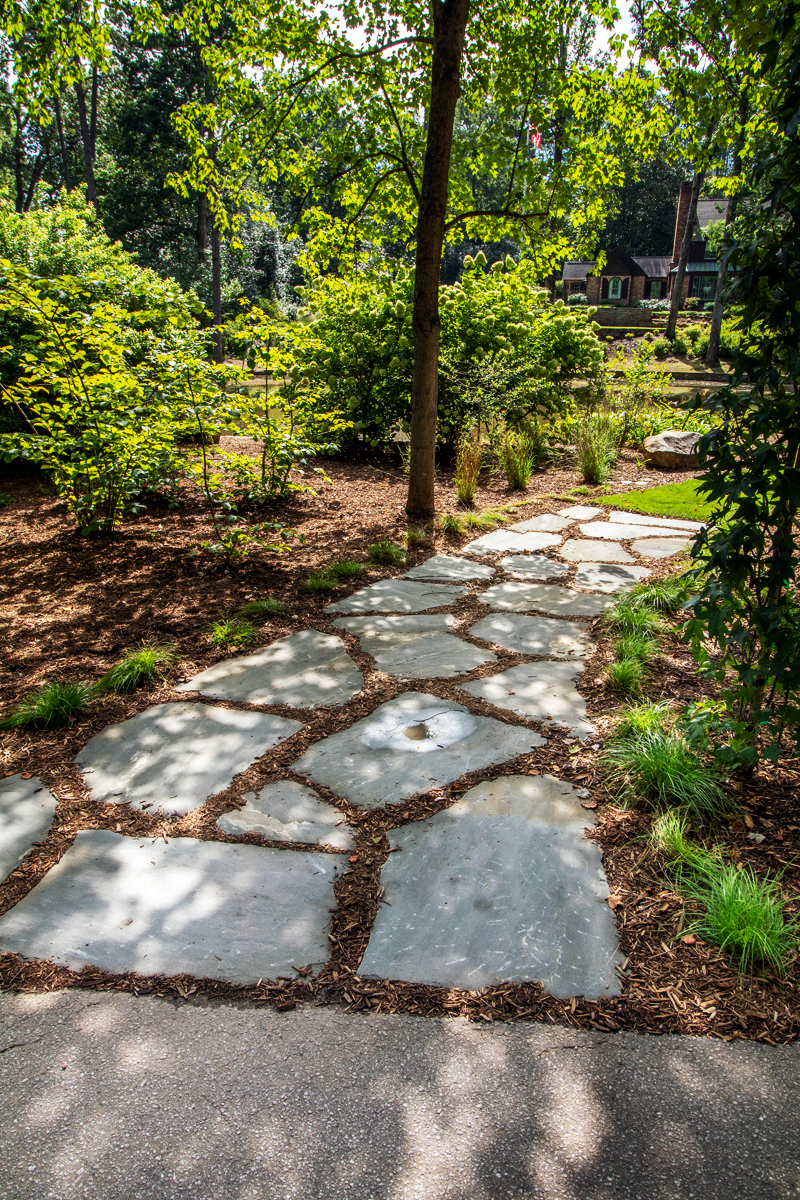
A little diligence here goes a long way. Ask to see the range, ask about the training, and let both answers guide the decision more than any single photo does.