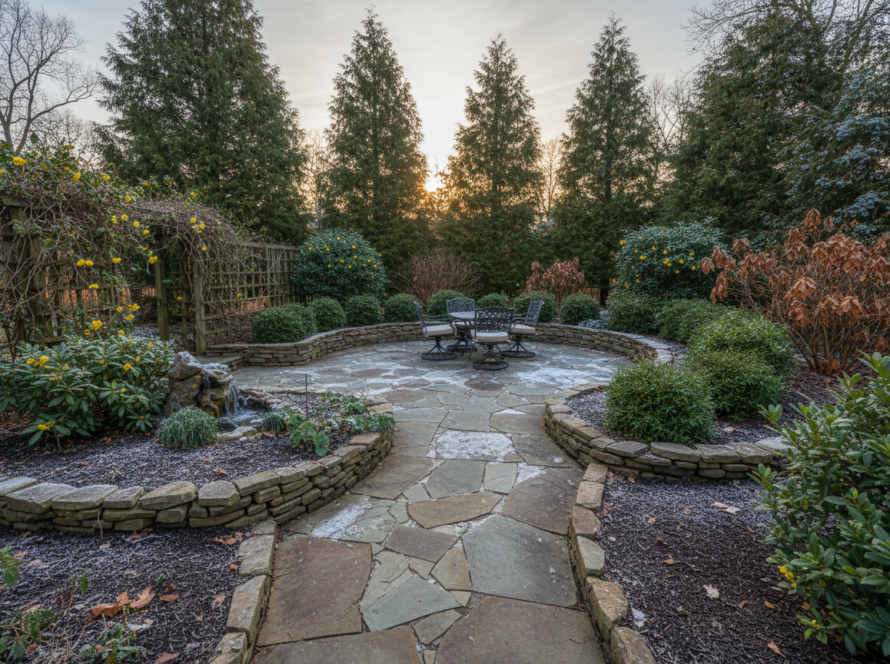
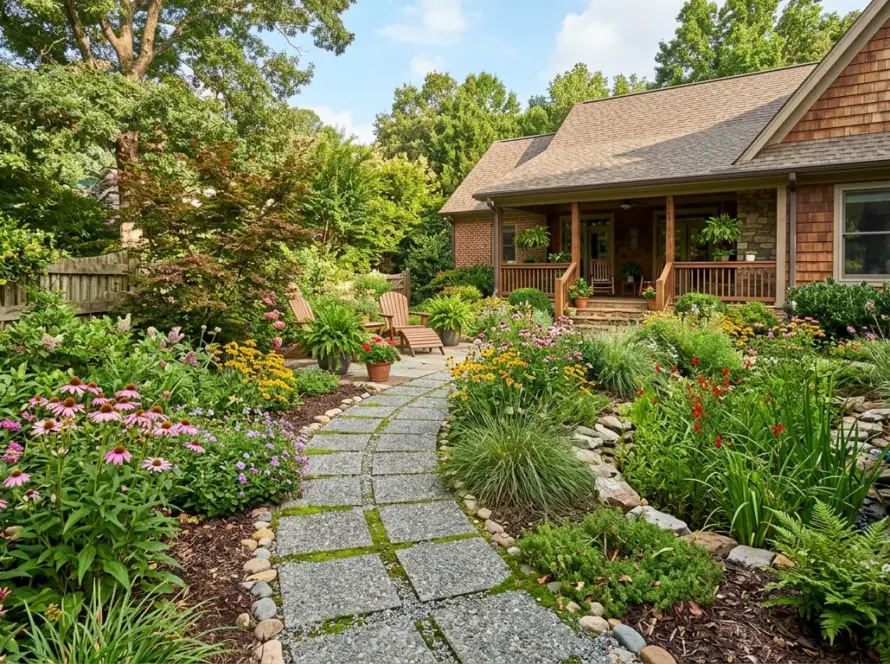
Homeowners in master-planned communities throughout Greenville, SC, including neighborhoods like Five Forks, often face a step that homeowners elsewhere don’t: getting a landscape project approved by an architectural review board before work can begin. For a landscape design HOA communities Greenville, SC homeowner is planning, that approval process can shape the timeline as much as the design itself.
What does an HOA architectural review board actually look at?
Most review boards evaluate proposed landscaping against a community’s written design standards: plant selection, hardscape materials, structure height, and how a project fits the overall character of the neighborhood. Boards aren’t trying to say no. They’re trying to protect the consistency that drew homeowners to the community in the first place. A design that anticipates these standards from the start moves through review far more smoothly than one that has to be revised after submission.
How does planning ahead simplify HOA landscape approval?
The most common delay isn’t a disapproved project. It’s an incomplete one. Review boards typically want to see a full plan, not a partial sketch: material selections, plant lists, drainage considerations, and how the project relates to the rest of the property. A site-specific design that documents these details up front gives a board what it needs to make a timely decision, and gives the homeowner a clearer sense of what to expect before any work begins.
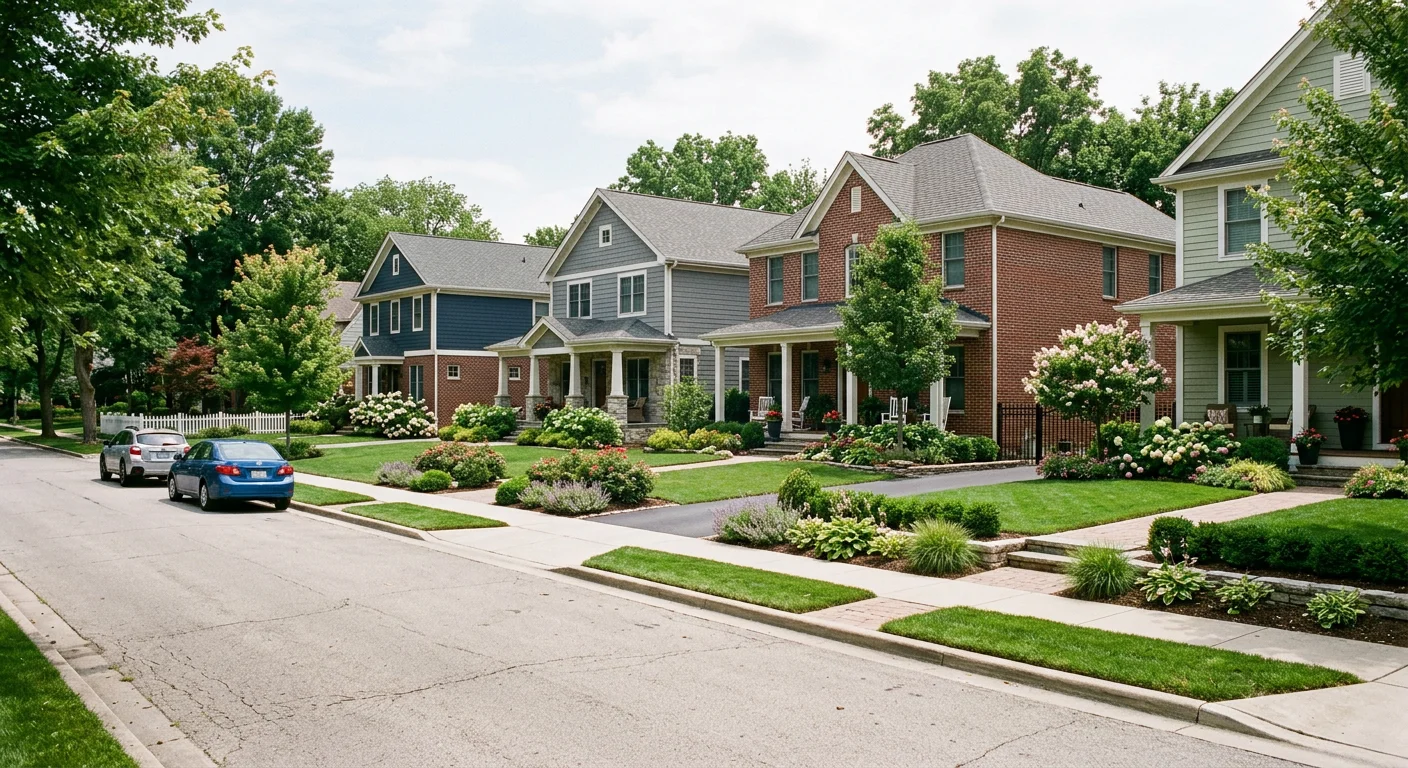
What role does a landscape designer play in the process?
A collaborative design process should account for HOA requirements alongside the homeowner’s own goals. That means understanding a community’s guidelines early, structuring the design documents in a way a review board can evaluate quickly, and adjusting details before submission rather than after a denial. For homeowners managing this for the first time, having a designer familiar with Upstate HOA processes removes a layer of uncertainty from an already involved project.
What should homeowners ask before starting?
A few questions are worth raising with any landscape designer before submitting to a board:
- Has the designer worked with HOA or architectural review requirements before?
- Will the design documentation include the materials, plant lists, and drawings a board typically requests?
- Is there a plan for addressing board feedback if revisions are requested?
Building a landscape that fits the community and the property
The strongest HOA-compliant designs don’t feel like compromises. They reflect both the community’s standards and the homeowner’s own property, using plant selections and materials suited to Upstate conditions from the outset. That’s part of why a horticulturist-led, site-specific approach matters here: the same attention to soil, drainage, and plant health that makes a design enduring also tends to satisfy a review board’s concern for long-term upkeep.
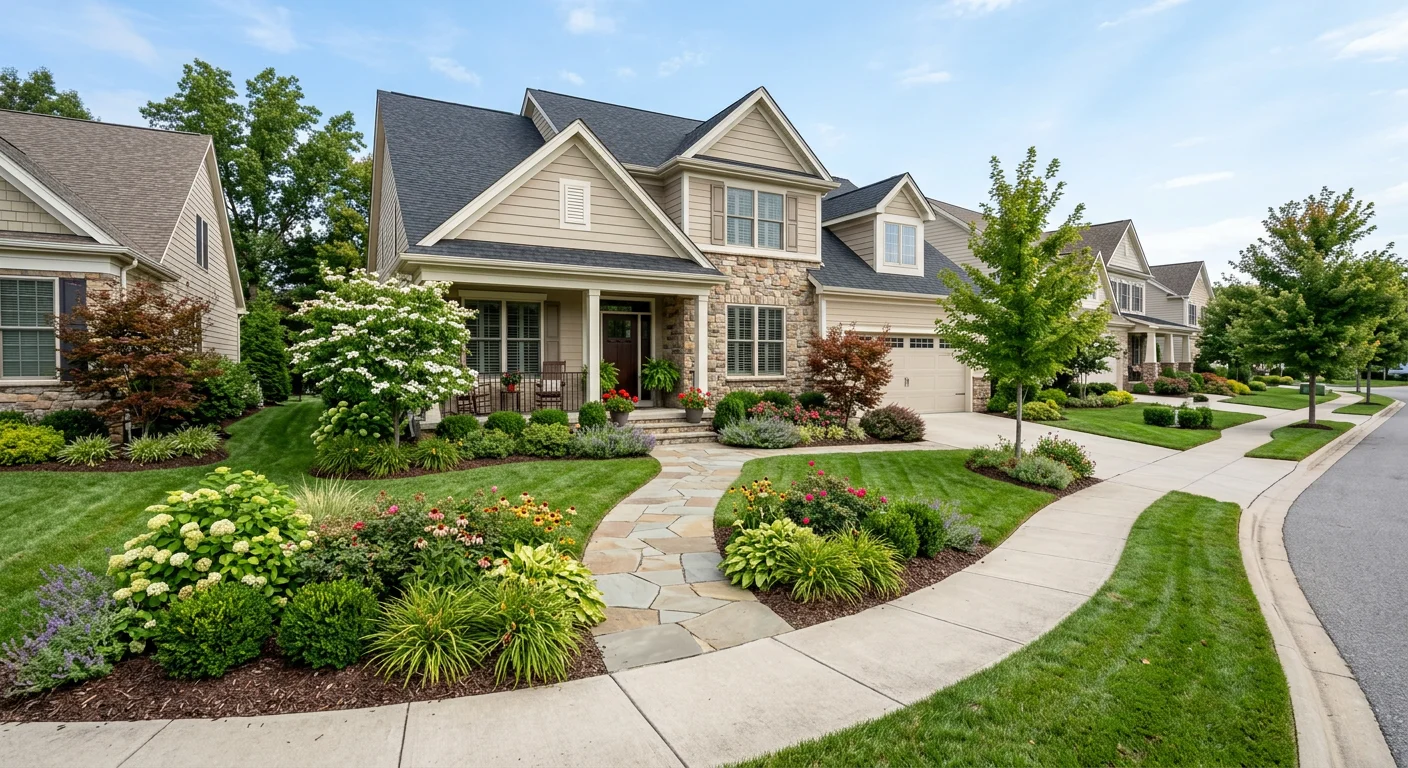
If you’re planning a landscape project within an HOA or master-planned community in Greenville, SC, our design process is built around this kind of early, collaborative planning. Browse examples of past work in our portfolio, learn more about our landscape design services, or contact us to talk through your community’s specific requirements before you begin.
For general background on how architectural review boards operate, the Community Associations Institute maintains a public overview of community association governance.
Frequently Asked Questions
Do all Greenville, SC communities require HOA approval for landscaping?
Requirements vary by community. Not every neighborhood has an architectural review process, but many master-planned communities in the Greenville, SC area do. It’s worth checking your community’s governing documents before beginning design work.
How long does HOA landscape approval typically take?
Timelines vary by community and by how complete the submission is. A well-documented plan that anticipates a board’s requirements generally moves through review faster than one that needs revisions after submission.