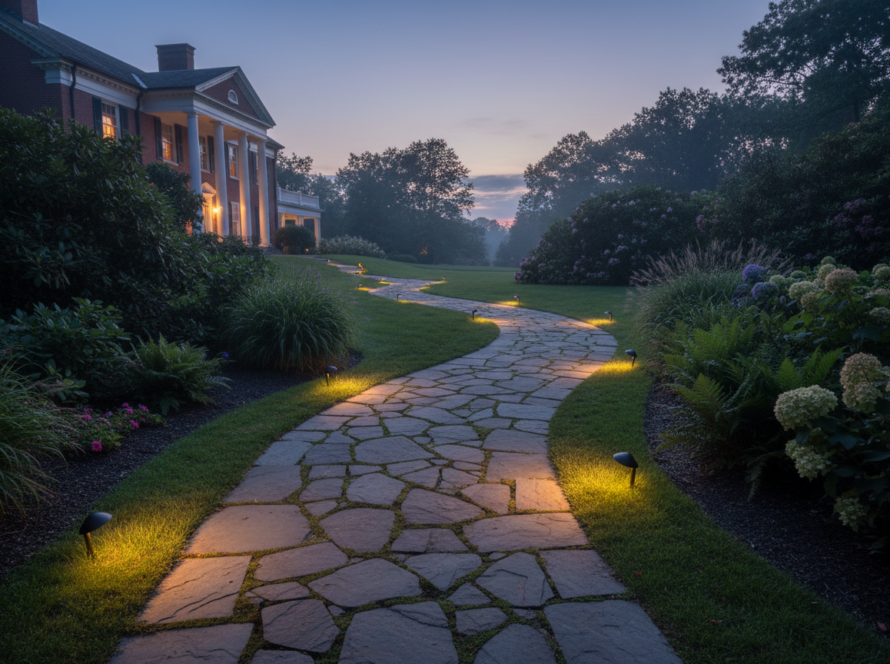
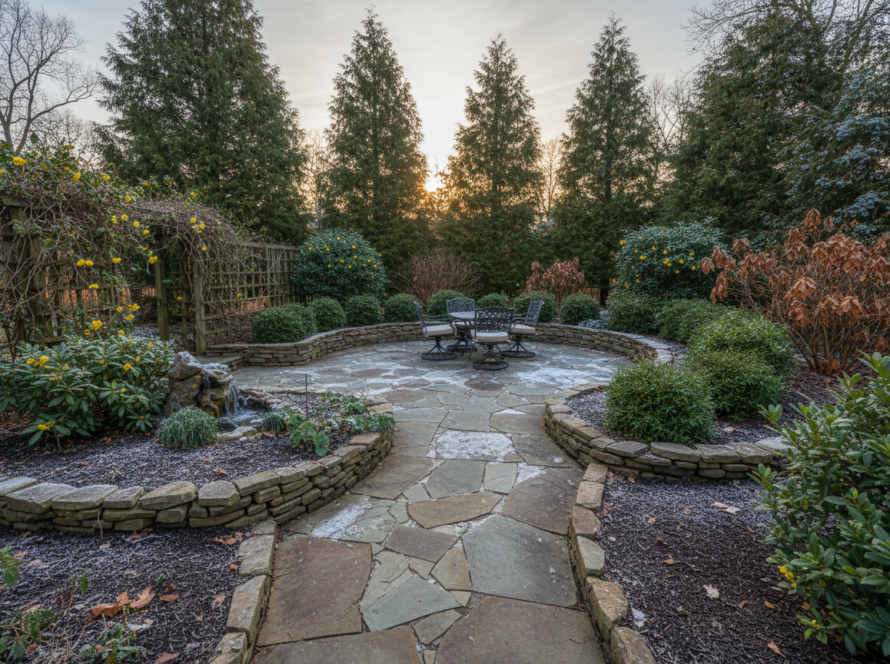
Greenville summers bring long stretches of heat and humidity, followed by dry spells that test even well-established gardens. Water-wise landscaping in Greenville, SC helps your property stay healthy through these conditions while using less water overall. It is a practical approach for the Upstate, not a compromise on beauty.
This guide covers plant selection, irrigation, and soil care suited to Zone 8a, so your outdoor space can hold up through August without constant attention.
Why Water-Wise Landscaping Makes Sense in the Upstate
The Piedmont region cycles between heavy spring rain and dry summer heat. A landscape built around drought-tolerant natives and thoughtful irrigation adjusts to both. It also reduces the maintenance burden during the months when you most want to enjoy your yard rather than manage it.
Sustainable landscaping in Greenville, SC is not about limiting what you plant. It is about matching plant choices to the site: sun exposure, soil type, and drainage all factor in.
The Cost of Fighting the Climate
Plants poorly matched to local conditions need more water, more fertilizer, and more replacement over time. That adds cost and effort without adding much visual payoff. Choosing the right plant for the right spot from the start avoids this cycle entirely.
Drought-Tolerant Plants Suited to the Upstate
Native plants Greenville SC homeowners can rely on have already adapted to regional rainfall patterns and soil. Once established, many require little supplemental water beyond normal rainfall.
Strong options for Upstate yards include:
- Little bluestem and muhly grass, ornamental grasses that add texture and movement with minimal water once rooted.
- Coneflower and black-eyed Susan, reliable summer bloomers that tolerate heat and average soil.
- Yaupon holly and wax myrtle, evergreen shrubs that hold up through dry stretches and provide year-round structure.
- Lavender and Russian sage, fragrant, sun-loving perennials suited to well-drained beds.
For a fuller list vetted for South Carolina conditions, Clemson Cooperative Extension’s guide to drought-tolerant plants is a reliable reference when planning your beds.
Give New Plantings Time to Establish
Even drought-tolerant species need consistent water for their first one to two growing seasons. Budget for regular watering while roots develop, then taper off as the plant matures.
Smart Irrigation for the Upstate
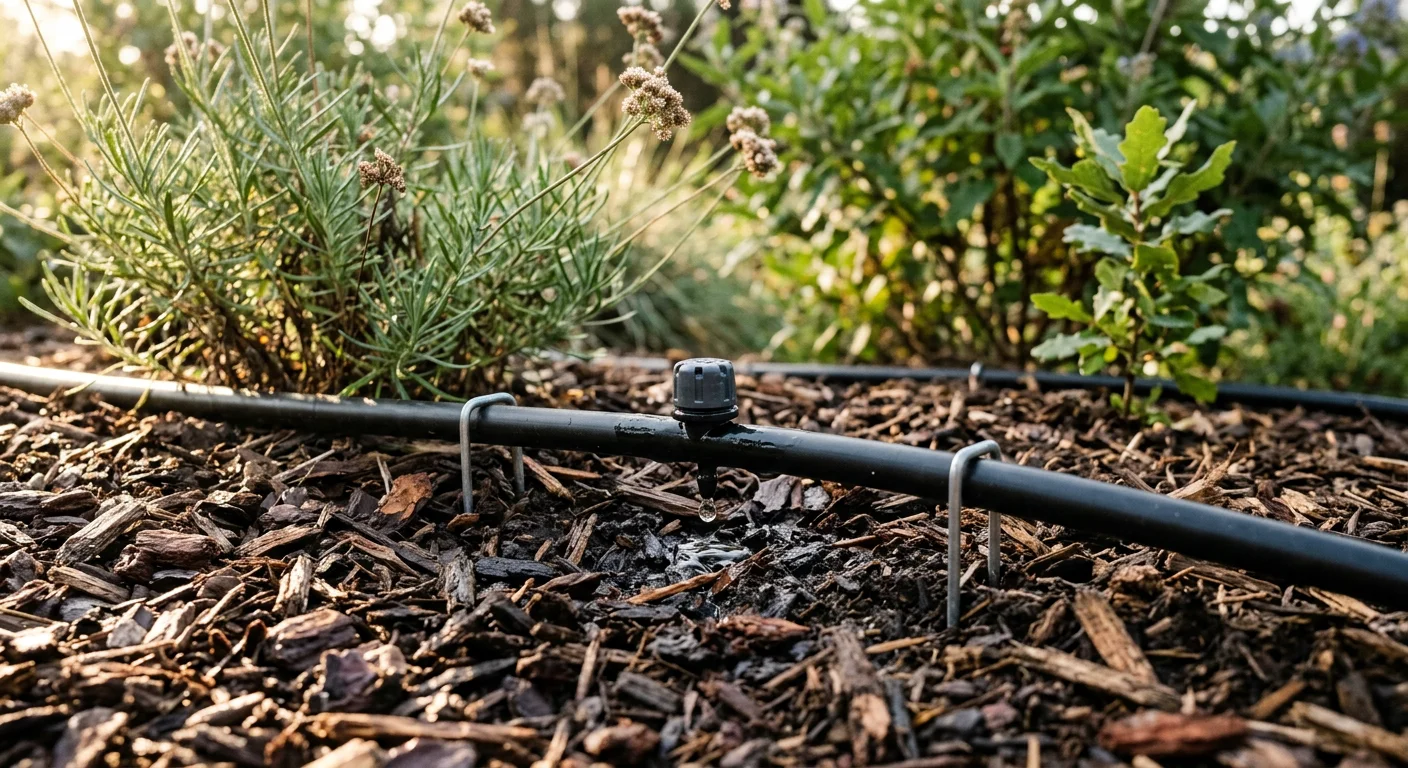
Irrigation tips for Greenville, SC gardens usually come down to one principle: water deeply and infrequently. Frequent shallow watering encourages roots to stay near the surface, which makes plants more vulnerable during dry spells.
A few adjustments make a real difference:
- Water early in the morning to reduce evaporation and give foliage time to dry before evening.
- Use drip irrigation or soaker hoses for beds, which deliver water directly to the root zone with less waste than sprinklers.
- Group plants by water need so you are not overwatering drought-tolerant species to keep thirstier ones alive.
- Check soil moisture before watering rather than watering on a fixed schedule regardless of rainfall.
Soil Practices That Support Drought Tolerance
Healthy soil holds moisture longer and reduces how often you need to water. A two-inch layer of mulch over garden beds cuts evaporation, moderates soil temperature, and suppresses weeds that compete for water.
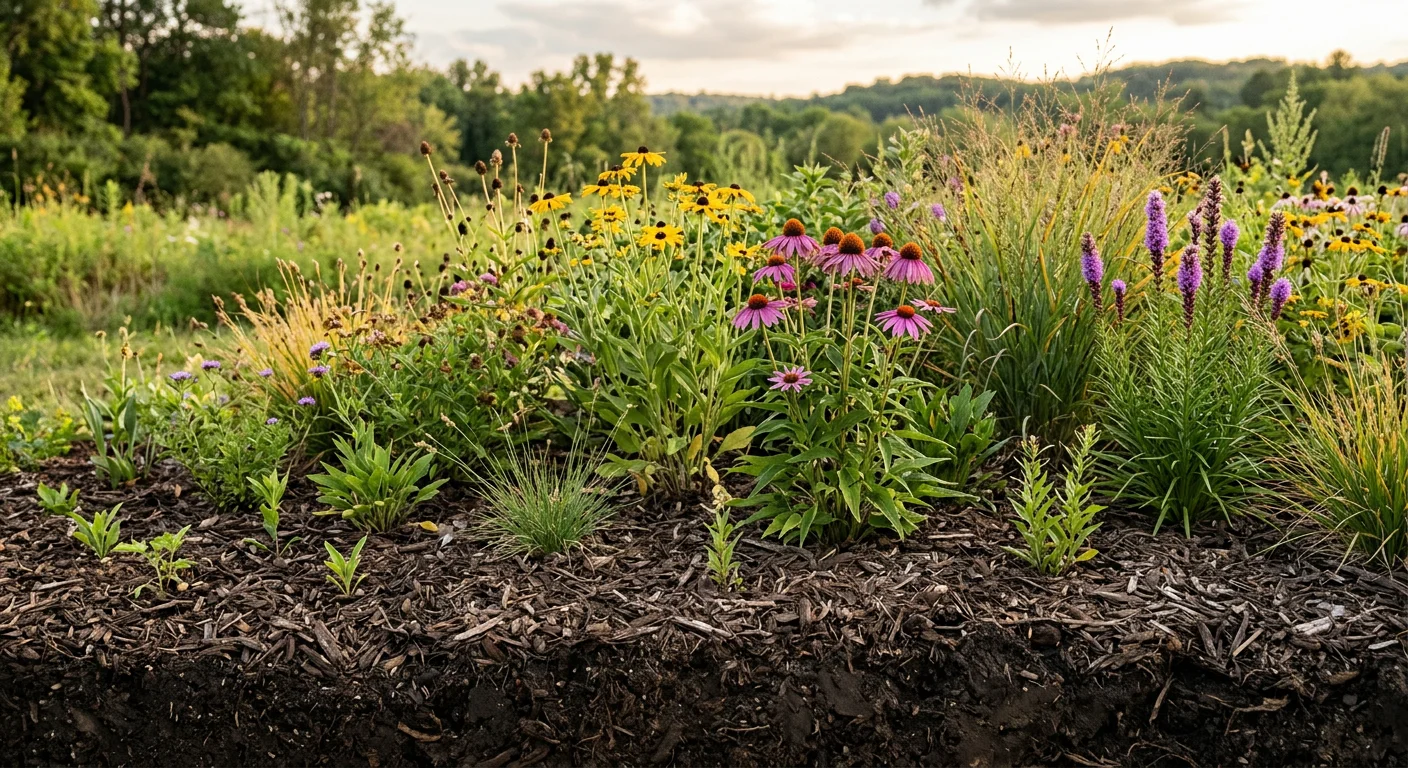
Well-drained soil also matters. Compacted or clay-heavy soil common in parts of the Upstate can hold water at the surface while starving roots below. Amending beds with organic matter improves structure over time and helps water reach where plants actually need it.
Mulch Choices Worth Considering
Shredded hardwood and pine straw are both common, effective options for Greenville landscapes. Either works well as long as it is refreshed as it breaks down, generally once or twice a year.
Frequently Asked Questions
How much water do established native plants need in summer?
Most established natives in the Upstate do well with about one inch of water per week, including rainfall, once their root systems are developed.
Is water-wise landscaping only for full-sun areas?
No. Shade-tolerant natives like heuchera and native ferns also hold up well in dry shade once established, so the approach works across different parts of a property.
Will switching to drought-tolerant plants change the look of my yard?
Not necessarily. Many native and drought-tolerant plants offer the same seasonal color and texture as traditional choices, just with lower water needs.
A Landscape Built for Greenville Summers
Water-wise landscaping is less about restriction and more about working with the Upstate’s climate instead of against it. Thoughtful plant selection, efficient irrigation, and healthy soil practices together create a landscape that holds up through summer with less intervention.
If you are considering a refresh with these principles in mind, our local landscaping services are built around site-specific plans suited to your property. You can also browse our portfolio of completed projects for a sense of how these ideas come together. Contact us to schedule a consultation.