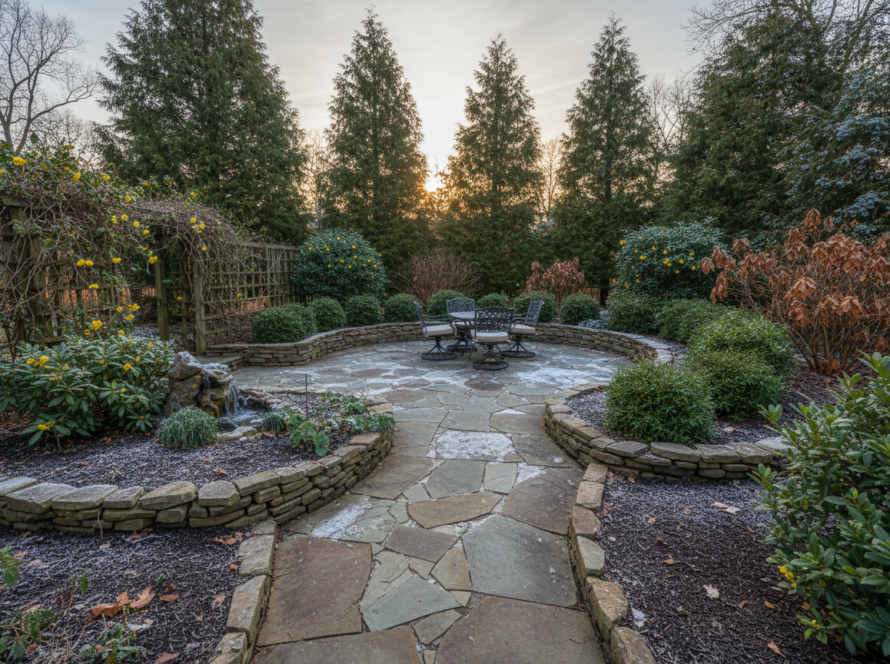
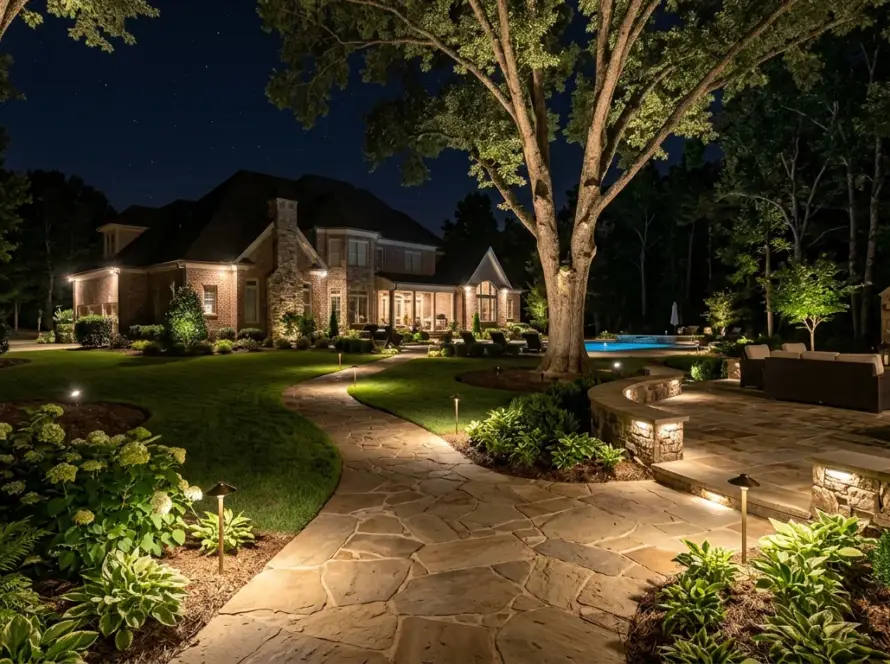
Planning a multi-phase landscape design in Greenville, SC takes more than choosing plants and paving materials. It takes a clear process, a realistic timeline, and a design partner who understands how your property will evolve over time.
A phased approach lets you build an enduring outdoor space without doing everything at once. Each phase supports the next, so your property grows in a deliberate, coordinated way rather than through disconnected decisions made year after year.
Here is how the process works and what to expect at each stage.
What Is a Multi-Phase Landscape Design?
A multi-phase landscape design breaks a full outdoor renovation into planned stages. Rather than completing every element in a single project, work is organized into phases based on priority, budget, and how different elements relate to each other.
This approach is common for larger properties and more involved outdoor spaces. It lets homeowners spread investment over time while ensuring that early work supports later phases without requiring rework.
For properties in Greenville, SC and the broader Upstate region, phased design also accounts for the local climate. Understanding which plants perform well in Upstate summers, where drainage issues arise in heavy rain, and how existing tree canopy affects light levels all shape how phases are ordered.
Why a Phased Approach Works
Trying to complete a full landscape transformation in one project often leads to compromises. Budget pressure can push toward less durable materials. Tight timelines can rush plant selection. And decisions made quickly at the start sometimes conflict with features added later.
A phased design avoids those problems. Here is why homeowners choose this approach:
- Foundation first. Hardscape elements like patios, paths, and retaining walls are installed before planting. This prevents plant damage during construction and ensures drainage is correct before beds are established.
- Flexibility over time. Priorities change. A phased plan can be adjusted as your needs evolve without abandoning the overall design vision.
- More deliberate plant selection. Waiting until hardscape is in place gives your design team a clear picture of light, shade, and drainage conditions before choosing plants.
- Manageable investment. Spreading work across phases allows for quality materials and craftsmanship at each stage rather than cutting corners to fit a compressed budget.
According to the American Society of Landscape Architects, phased project delivery is one of the most effective methods for managing complex residential landscapes, particularly when long-term property value is a priority. You can learn more about phased landscape planning through ASLA’s residential design resources.
How the Process Unfolds
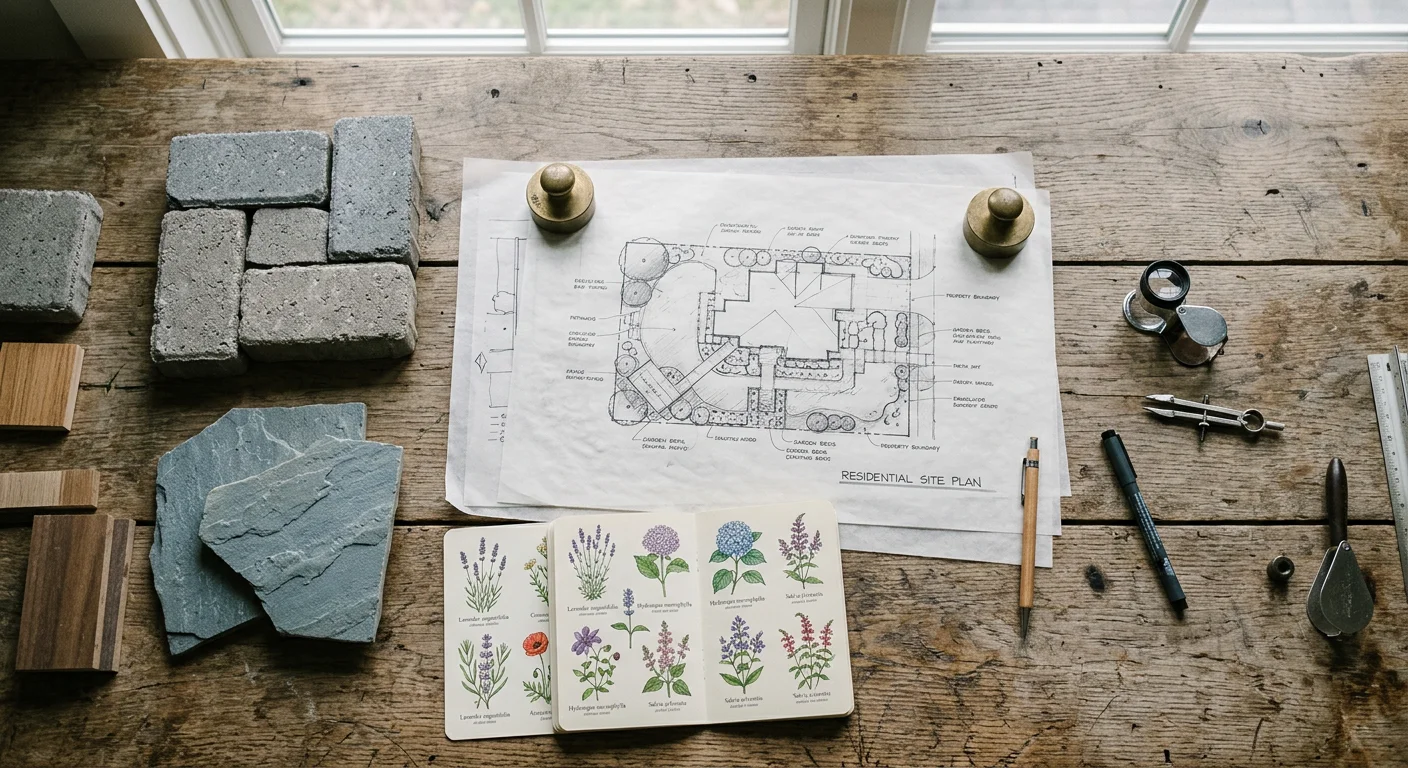
A well-structured multi-phase landscape design typically follows four stages. The exact order may shift depending on your property, but the logic behind the sequence stays consistent.
Phase 1: Consultation and Site Assessment
Every project starts with a thorough look at your property. This means understanding the existing grade, drainage patterns, soil conditions, sun exposure, and any features worth preserving.
During this phase, your design team will:
- Review your goals for the space and how you plan to use it
- Identify site constraints like drainage, grade changes, or existing utilities
- Develop a master plan that maps out all phases before work begins
The master plan is the foundation of a phased design. It ensures that decisions made in Phase 1 do not create problems in Phase 3 or 4. For a detailed look at how this collaborative planning process works, see our landscape design process page.
Phase 2: Hardscape Installation
Hardscape comes first. Patios, walkways, retaining walls, outdoor structures, and drainage infrastructure are all installed before any planting takes place.
This order matters for two reasons. First, heavy equipment used during hardscape work would damage installed plantings. Second, hardscape defines the shape and structure of the landscape, which in turn determines where plants go and how much space they have.
Common hardscape elements addressed in this phase include:
- Natural stone or concrete paver patios
- Stone or poured-concrete walkways and steps
- Retaining walls for grade changes
- Drainage corrections and French drains
- Outdoor structures like pergolas or seating walls
Material selection at this stage is informed by the Upstate climate. Natural stone performs well here because it handles temperature swings without the cracking that can affect less stable materials.
Phase 3: Planting and Softscape
With hardscape complete, planting can begin. This phase includes trees, shrubs, perennials, groundcovers, and lawn areas.
Plant selection for Greenville, SC properties benefits from working with species suited to the Upstate’s climate: hot summers, mild winters, and periods of both drought and heavy rainfall. Native and adaptive plants tend to establish more reliably and require less long-term maintenance.
Clemson Cooperative Extension provides detailed guidance on plant selection and establishment practices suited to South Carolina’s Piedmont region. Their Home and Garden Information Center is a helpful reference for understanding what performs well locally.
During this phase, your design team coordinates:
- Tree and shrub placement for scale, screening, and seasonal interest
- Perennial bed design with attention to bloom sequence and texture
- Lawn establishment or restoration where needed
- Mulching and bed edging
Phase 4: Finishing and Refinement
The final phase addresses details that complete the overall design: lighting, irrigation, decorative edging, seasonal color, and any adjustments to earlier work based on how the landscape has settled.
This phase is also when a design team reviews the completed project against the original master plan, identifies anything that needs correction, and confirms that all systems, drainage, irrigation, and structural elements, are functioning as intended.
What to Look for in a Landscape Design Company
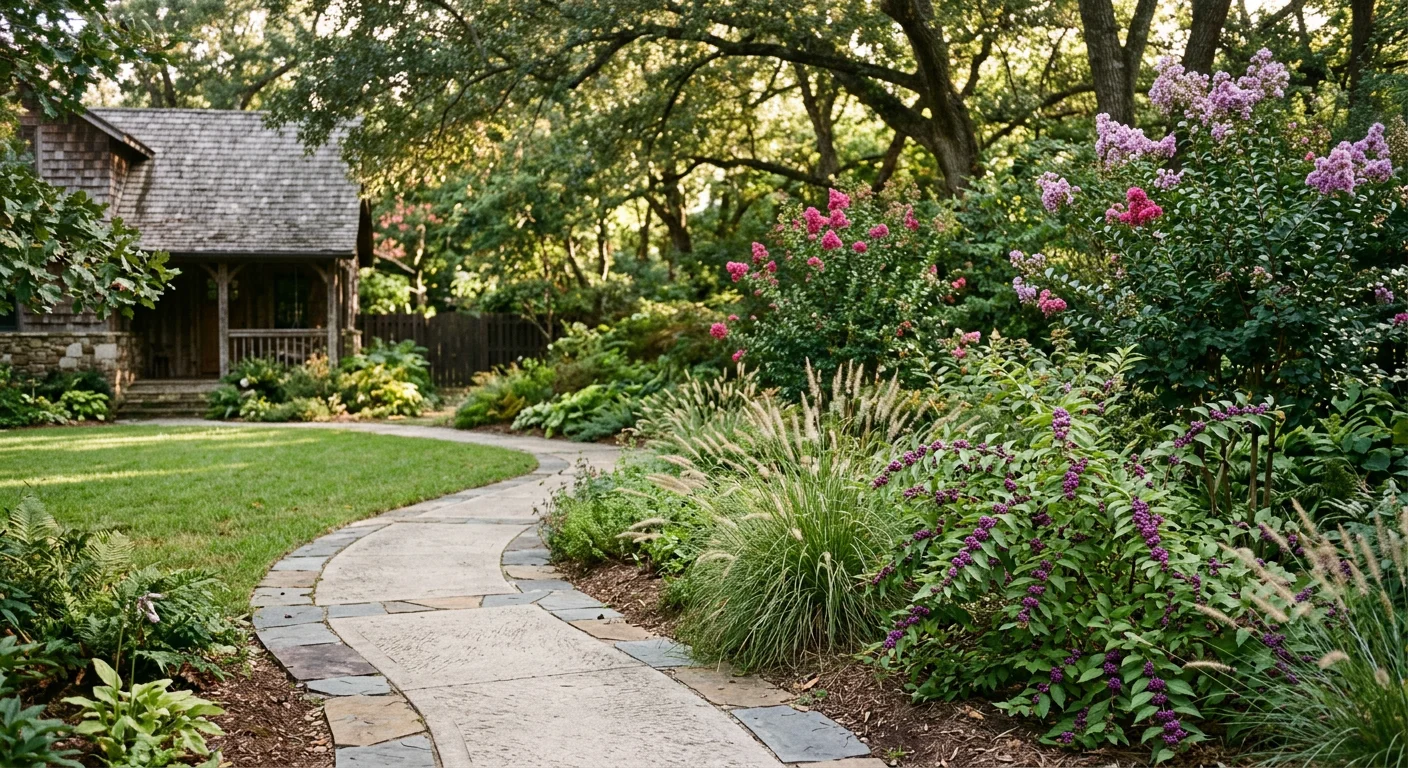
Not every landscape contractor approaches phased work the same way. When evaluating landscape design companies in Greenville, SC, look for these qualities:
- A clear master plan process. A phased project without a master plan is just a series of disconnected jobs. Ask to see how the full project is mapped before Phase 1 begins.
- Horticulture knowledge. Plant selection for the Upstate requires specific expertise. Ask about the team’s background in regional plant material and soil conditions.
- Transparent communication at each phase. You should understand what is being done in each phase, why it is being done in that order, and what comes next.
- A portfolio that shows completed projects. Completed project pages let you see how a company’s work holds up over time and across different property types.
For a closer look at how a phased landscape project comes together, see our multi-phase modern landscape project.
Start Planning Your Outdoor Space
A multi-phase landscape design in Greenville, SC gives your property a clear path from where it is now to where you want it to be. Work is sequenced to protect your investment, and each phase builds on the last.
Greenville Outdoor Living works with homeowners throughout Greenville, Simpsonville, Greer, and the broader Upstate region to develop site-specific landscape plans that reflect each property’s character and each homeowner’s goals.
If you are ready to begin planning, contact us to schedule a consultation.